Similan Islands Early-Season Cruise: Glass-Calm Water, Empty Reefs & Wide-Angle Photography
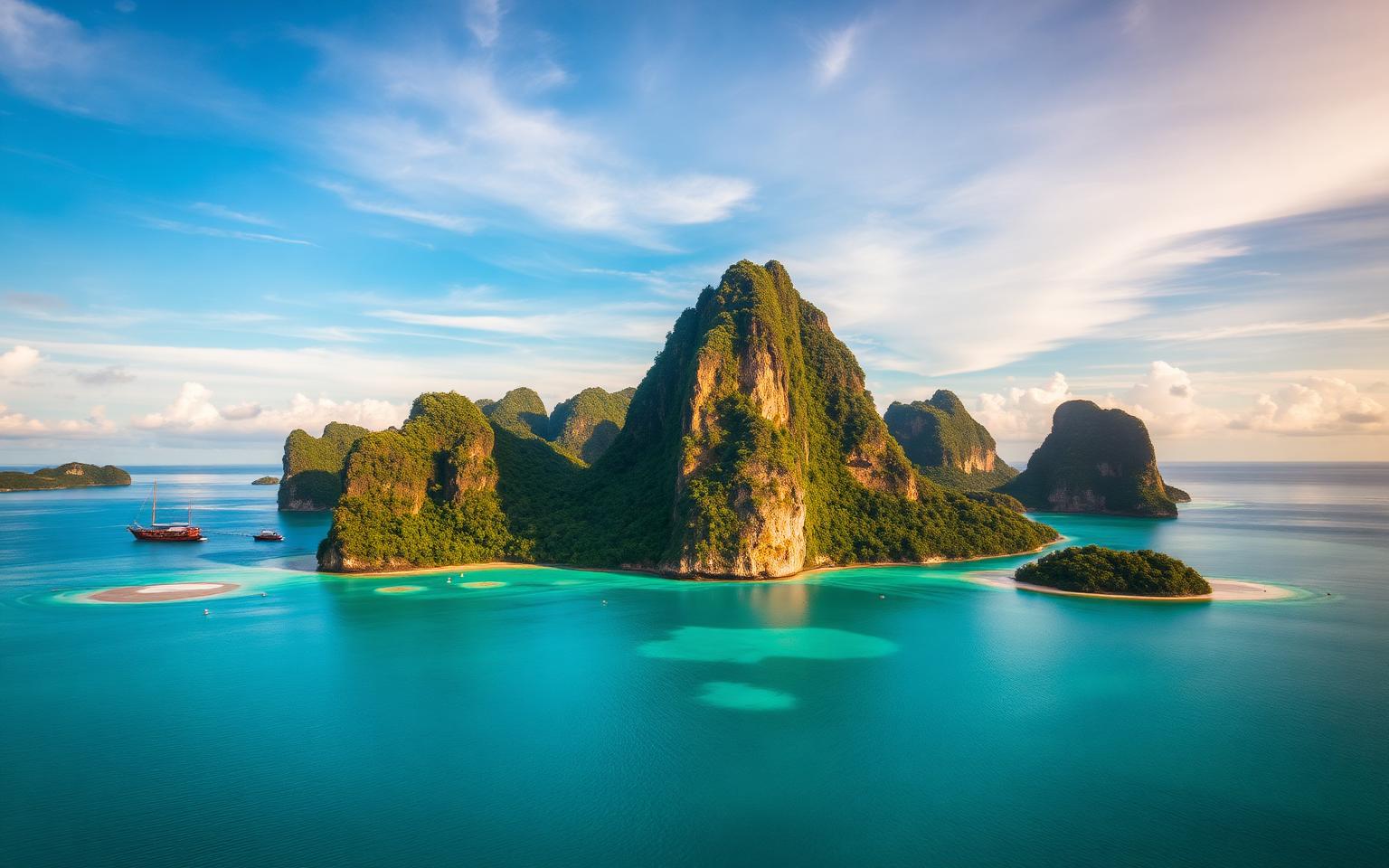
November to January on the Similans — the quietest window of the year, with mirror-flat crossings, untouched coral and a photographer's dream of soft light on granite walls. A French-speaking liveaboard from Phuket.
Most divers picture the Similans in March — peak manta season, full boats, the Richelieu Rock buzz. But there is a quieter, more cinematic side to the Andaman: the opening weeks of the season, from mid-October through January, when the park has just reopened, the reefs are pristine after six months of monsoon rest, and the photographers move in. This is the Similans for divers who want space, soft light and a slower rhythm — same boat, same itinerary, a very different feeling underwater.
Why the early season is the connoisseur's window
From mid-October to late January, the Andaman shifts into its calmest, clearest mode. Water temperatures hold steady at 28–29°C, surface conditions are mirror-flat for days on end, and the reefs — closed to all human activity from mid-May to mid-October — open in a state of full recovery. Coral cover at East of Eden and Christmas Point looks the way Thailand looked thirty years ago.
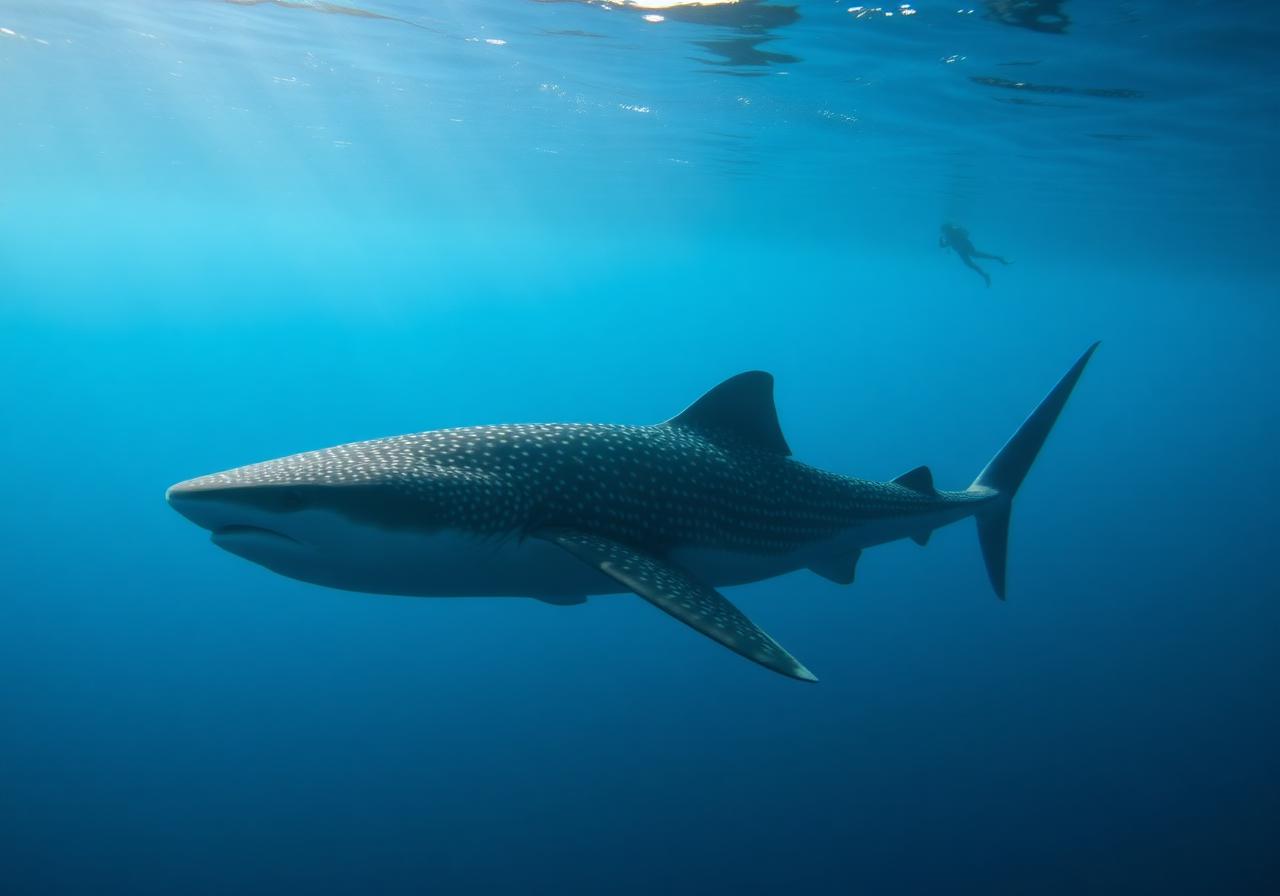
Crowds are the other half of the story. The big international groups arrive in February, so November and December cruises typically run with fewer boats at every site. Richelieu Rock — often shared with five or six liveaboards in March — can be dived in near-solitude in the early weeks. For photographers and underwater filmmakers, the trade-off is simple: slightly lower odds on whale sharks, dramatically higher odds on a clean, empty composition.
A cruise built for wide-angle photography
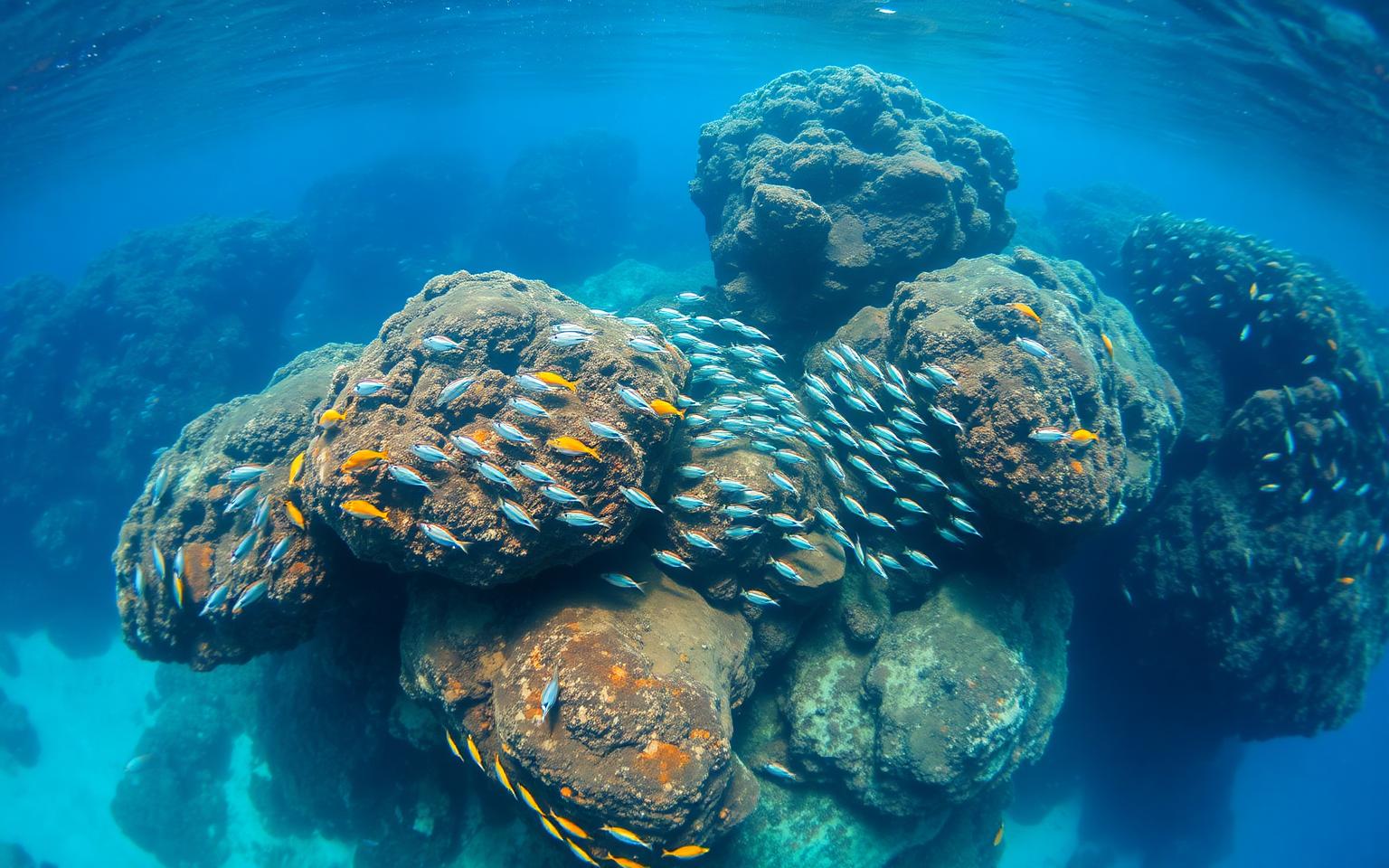
The Similans are one of the few places in Asia where the topography itself is the subject. Granite boulders the size of houses sit stacked like a sculptor's studio; sunbeams pour through swim-throughs at Elephant Head; soft coral fans glow purple on the Richelieu Rock wall. With 30 m of visibility and morning sun angles between 8 and 10 am, the wide-angle window is exceptional.
Our French-speaking guides know the camera-friendly profiles: the eastern face of Elephant Head at first light, the bommies of East of Eden under midday sun, the deep cleaning station at Koh Bon for over-under manta passes. The MV Sawasdee Fasai carries dedicated camera tables with low-voltage charging, freshwater rinse tanks separated from regulator buckets, and a covered prep area so housings stay out of the spray.
- Two charging stations per camera table, 220 V European sockets.
- Dedicated camera rinse tank, refreshed between every dive.
- Tender drops at the upcurrent end of the site, giving you the entire reef on a single tank.
- Optional 4-dive macro day on the Boonsung wreck on the return leg.
Marine life in the early window
Even before the peak manta and whale-shark season, the Similan corridor delivers a remarkable cast. Leopard sharks rest in pairs on the sand below Christmas Point; hawksbill turtles graze the soft coral at East of Eden; schools of yellow snapper and humphead parrotfish patrol the granite ridges of Elephant Head.
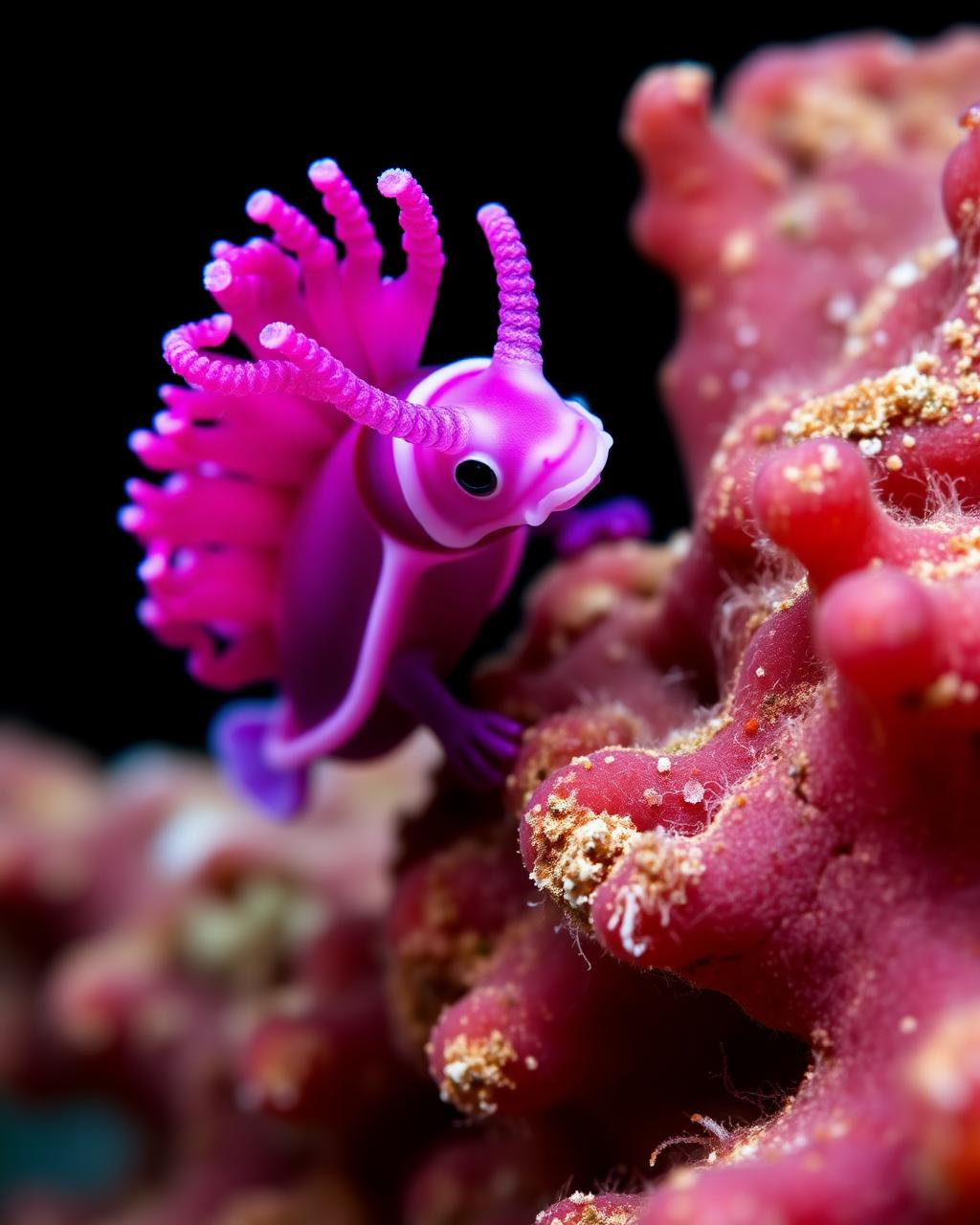
Koh Bon's resident manta population usually returns in late December, with sightings climbing through January. Whale sharks remain possible — they are migratory, after all — but the headline encounters spike from February onwards. What the early season does guarantee is the macro: tigertail seahorses on the Richelieu Rock wall, harlequin shrimp under the boulders at Koh Bon, and the ornate ghost pipefish that appear in pairs on the soft coral fans.
On board: the small-group version of the trip
Early-season departures run as private or small-group charters on the MV Sawasdee Fasai, with the same three cabin classes as the high-season cruise. The atmosphere is markedly quieter — fewer guests, longer surface intervals, and the kind of unhurried briefings that happen when there is no queue at the gear-up bench.
The kitchen serves the full Thai-and-international rotation: fresh fruit and pastries at dawn, hot Thai curries at lunch, a Western dinner option each evening, late-night noodle soup for anyone surfacing from a night dive. Coffee, tea, soft drinks and snacks are open all day.
- Shared cabin — twin berths, shared bathroom, ideal for solo travellers.
- Standard cabin — double or twin, private bathroom, the most-booked option.
- Deluxe cabin — king bed, panoramic windows, private hot-water bathroom.
The 6-day, 5-night programme
The early-season itinerary mirrors the high-season programme — the difference is in the pace and the light, not the sites. Every dive is briefed in French and English; every site is chosen the night before, based on tide, current and the photographers' wish list.
- Day 1 — Arrival in Bangkok, domestic flight to Phuket, hotel night in Phuket Town.
- Day 2 — Transfer to Khao Lak pier, board the MV Sawasdee Fasai, sail to the Similans. Four dives including a golden-hour sunset dive at Hideaway Bay.
- Day 3 — Four dives at Similan #7, #8 (Elephant Head) and Koh Bon. Night dive at Stonehenge.
- Day 4 — Four dives at Koh Bon, Koh Tachai and Richelieu Rock — the wide-angle headline day.
- Day 5 — Morning dive on Koh Bon Pinnacle, second dive on a Similan reef, return to Khao Lak. Transfer back to Phuket for the night.
- Day 6 — Transfer to Phuket airport, flight back to Bangkok, end of services.
What is included
Same all-inclusive structure as the high-season package — fully private, no surprises at the dive centre.
- All transfers (Bangkok ↔ airports, Bangkok–Phuket domestic flights, taxi and pier transfers).
- 1 hotel night in Phuket before boarding + 1 hotel night after disembarking.
- 5 days / 4 nights on board the MV Sawasdee Fasai.
- Up to 18 dives — tanks, weights, divemaster and dive guide included.
- Full board: breakfast, lunch, dinner, snacks and soft drinks.
- A dedicated French-speaking instructor for the whole trip.
- National park fees, port fees and harbour taxes.
Reserving an early-season cabin
Early-season cabins are released first and stay open longest, but the November and December dates are increasingly popular with European photographers — expect them to close by August. A 50% deposit secures the booking, with the balance due 30 days before departure.
Full deck plan, season calendar, pricing and live availability are on the dedicated 2026/2027 season page below.
Ready to come aboard?
Secure your spot on this cruise — limited cabins, dates fill fast for the 2026/2027 Similan season.
Frequently asked questions
Is the early season really worth it if I want to see mantas?+
From late December onwards, yes — Koh Bon's manta activity is already reliable. For peak manta probability, target February to April; for empty reefs and the best topography photography, target November to mid-January.
What about water temperature and thermoclines?+
The Andaman runs 28–29°C across the early season. Thermoclines occur below 25 m at Koh Tachai and Koh Bon Pinnacle, dropping briefly to 26°C. A 3 mm full-length wetsuit is plenty for most divers; a 5 mm is recommended if you feel the cold.
Can I bring a camera as my main luggage?+
Yes. The boat is set up for serious underwater photographers, and there is no surcharge for housings. Lithium batteries must travel in your cabin baggage on the domestic flight, per Thai aviation rules.
How crowded is Richelieu Rock in November?+
Significantly quieter than in March. On a typical November weekday, you may share Richelieu with one other liveaboard or have the site to yourselves. By late January, expect two or three boats on site at peak times.
Is this suitable for divers with fewer than 20 logged dives?+
The Similans and Koh Bon are manageable for confident Open Water divers. Koh Tachai Pinnacle and Richelieu Rock are best with Advanced Open Water certification and 30+ logged dives because of mild to moderate currents. We adapt the dive plan to the group's experience.