Responsible Underwater Photography & Video: A Diver’s Ethical Playbook
Capturing the ocean is a privilege. Here is how to bring back stunning images without leaving a trace on the reef — or stress on its inhabitants.
Few things make a diver want to share the ocean more than a great photograph or video. But behind every viral reef shot, there is a choice: respect the subject, or chase the frame at any cost. Responsible underwater image-making is not a constraint — it is the foundation of every image worth keeping.
Buoyancy first, camera second
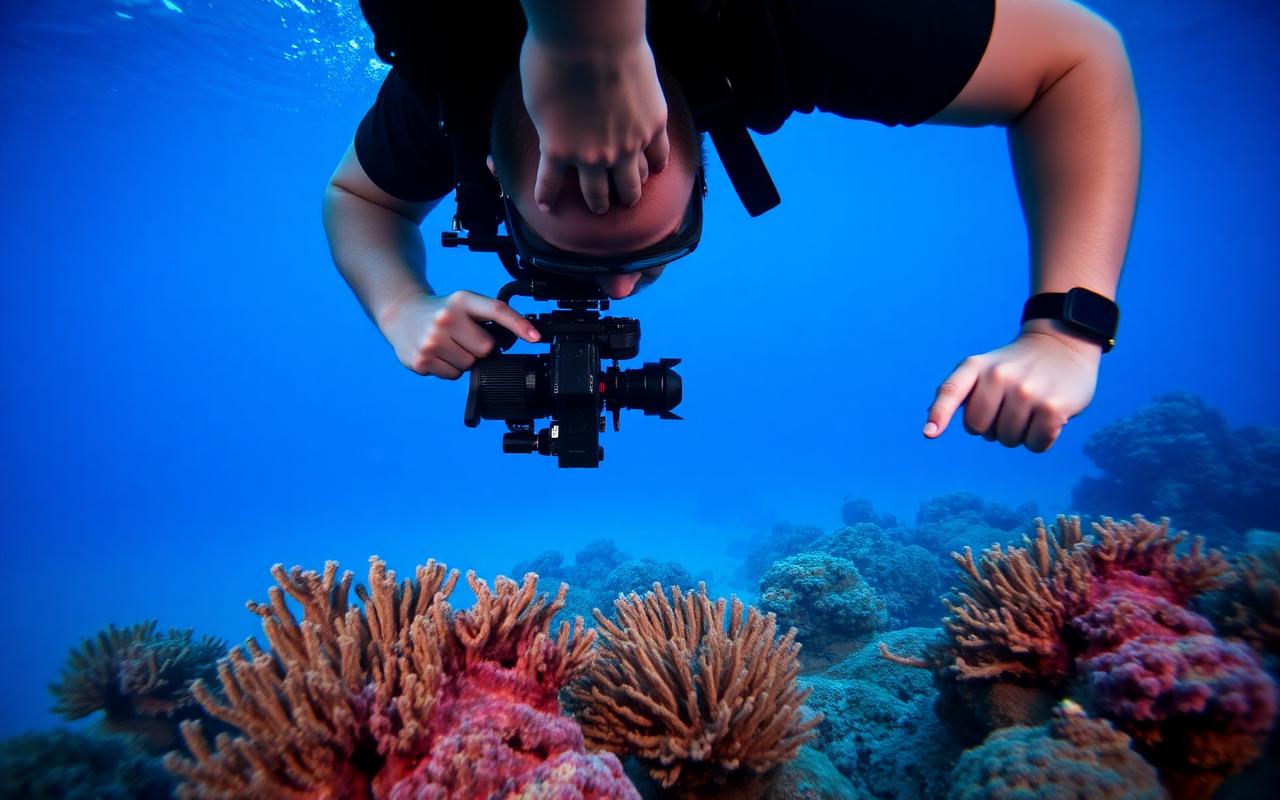
The single biggest impact a photographer has on a reef is unstable buoyancy. A misplaced fin kick on a soft coral can erase a decade of growth in a heartbeat. Before you ever press the shutter, log at least 50 dives without a camera — your trim, breathing and finning must be automatic.
Always approach a subject from below or at eye level, never from above. Hovering 30–50 cm off the bottom — without contact — keeps both you and the animal calm.
The no-touch, no-bait, no-chase rule
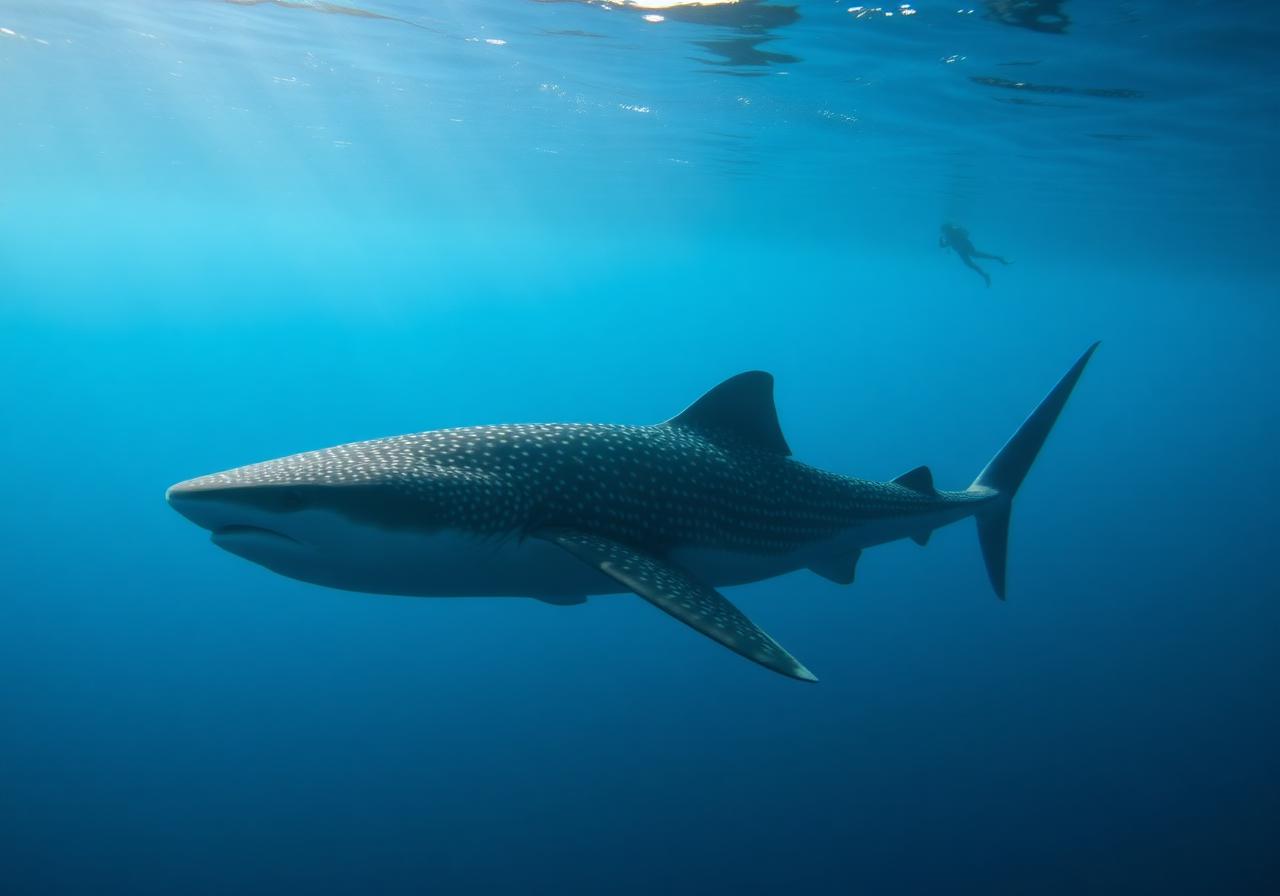
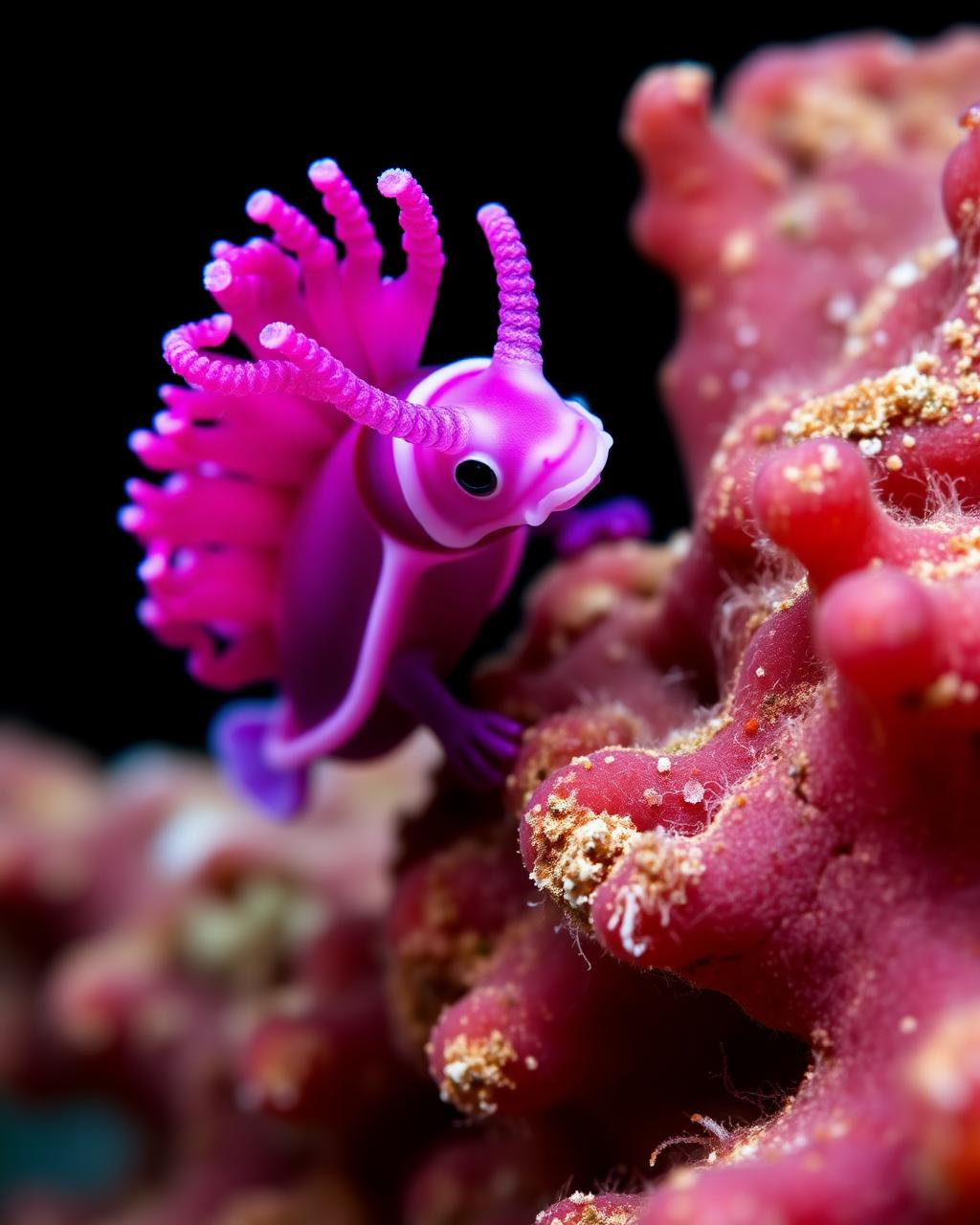
Moving a nudibranch onto a “better” background, holding a frogfish in place or feeding sharks for a frame are not photography techniques — they are stressors that alter behaviour, sometimes fatally. A truly great image is one the animal allowed you to take.
If a subject swims away or closes up, accept the answer. The next diver — and the species itself — will thank you.
Settings & gear that protect the reef
Wide-angle is almost always the more responsible choice: it lets you stay far from the reef while still filling the frame. For macro, use focus lights at low power and switch them off the moment you are framed.
- Trim weights so you can hover motionless at safety stop depth.
- Tuck console, octopus and strobe arms close to your body.
- Use a single short pointer stick only to anchor on dead substrate — never on coral.
- Reef-safe sunscreen, full wetsuit or rash guard, no jewellery.
Sharing images ethically
Geotagging fragile sites — particularly muck-diving black water sites and seahorse colonies — has been linked to over-tourism and poaching. Tag the country or region, not the GPS coordinate.
Caption honestly. Disclose if a subject was baited, manipulated or photographed in captivity. Your audience — and the next generation of underwater photographers — deserve the truth.
Ready to dive Guides?
Let our experts design a custom itinerary tailored to your level and bucket list.
Create my dive tripFrequently asked questions
Can I still use a strobe on macro subjects?+
Yes, in moderation. Limit yourself to a few well-composed frames and move on. Avoid prolonged sessions on the same animal.
Is it OK to use a muck stick to stabilise myself?+
Only on bare sand or dead rock, never on living coral, sponges or sea fans — and only briefly.
Should I geotag my photos?+
Tag countries and regions, not exact coordinates of fragile or rare-species sites.