Diving Komodo: Where Currents Build the Greatest Reefs in Indonesia
Mantas, sharks, dragons on land and the most nutrient-rich currents in the Coral Triangle. A diver's guide to Indonesia's most dynamic park.
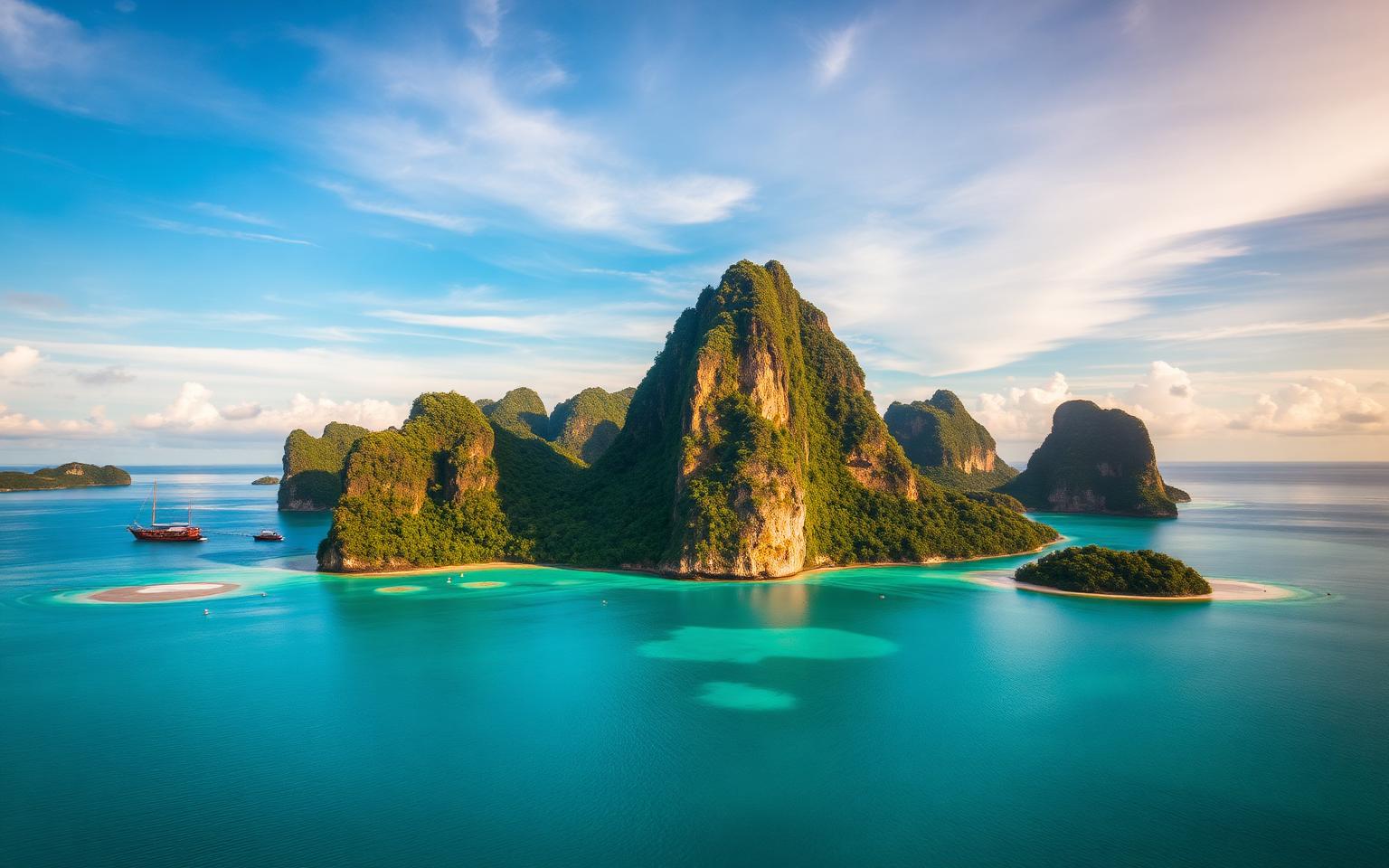
Komodo National Park sits at the meeting point of the Indian and Pacific Oceans — a tidal pump that drives some of the most exhilarating, demanding and rewarding diving on Earth.
Two parks in one
Northern Komodo is warm (28 °C), clear and reef-rich: Castle Rock, Crystal Rock, Batu Bolong. Southern Komodo is cold (22 °C), green with plankton and packed with macro and mantas: Manta Alley, Cannibal Rock, Yellow Wall.
A good Komodo trip combines both — usually via liveaboard, since the southern sites are too far for day boats from Labuan Bajo.
Reading the current
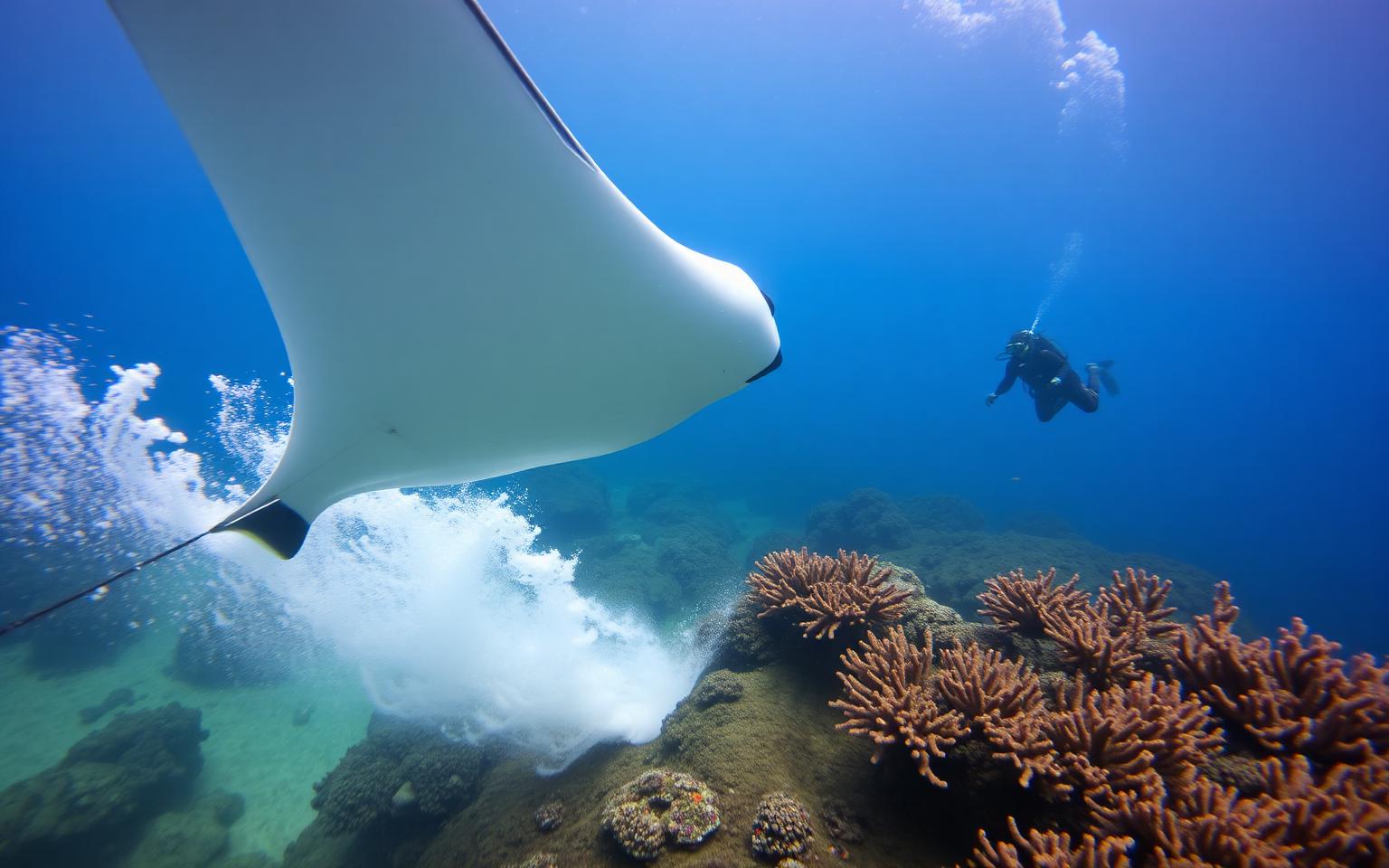
Komodo's currents are powerful and bidirectional. Reef hooks, surface marker buoys and disciplined buddy teams are standard. A briefing here is not optional theatre — it is the difference between a magical dive and a problematic one.
What you will see
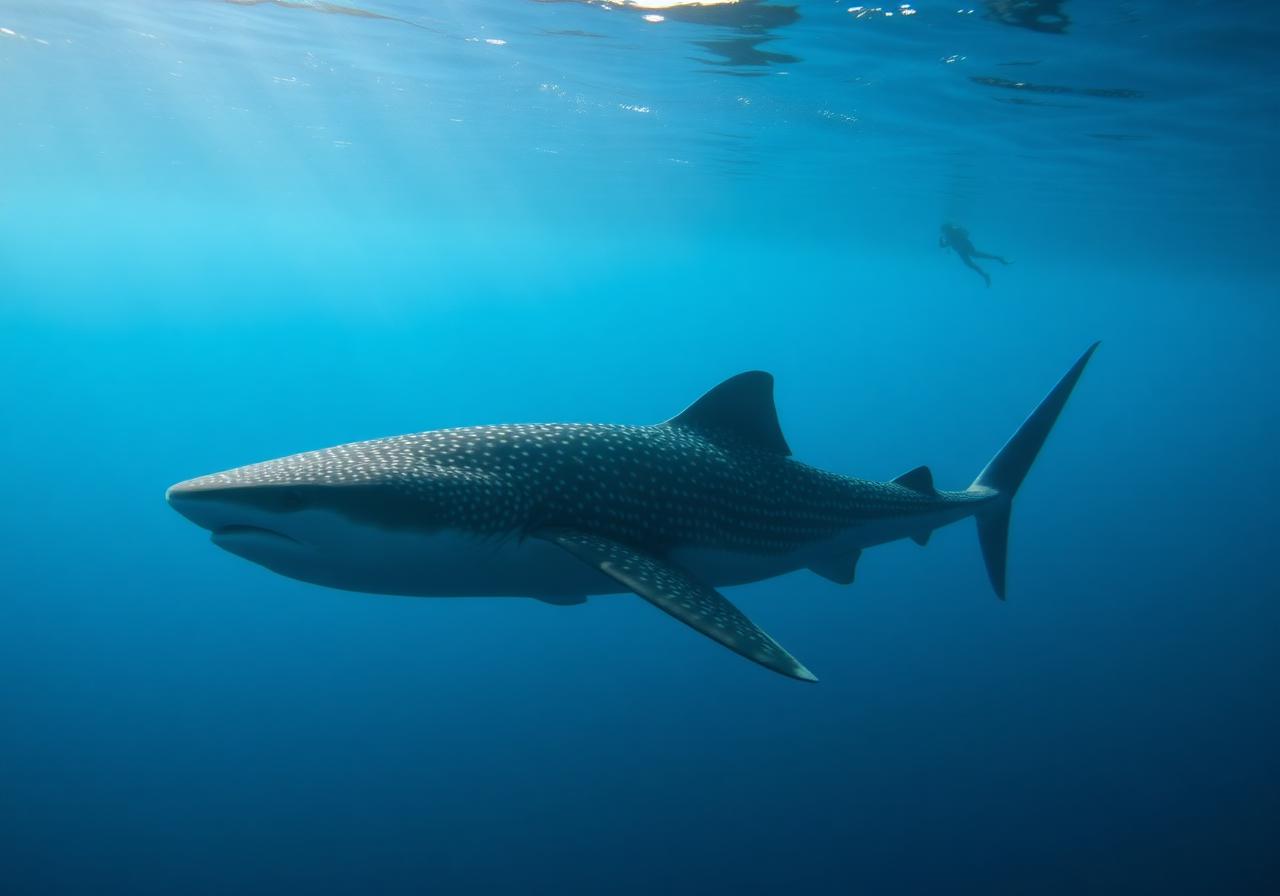
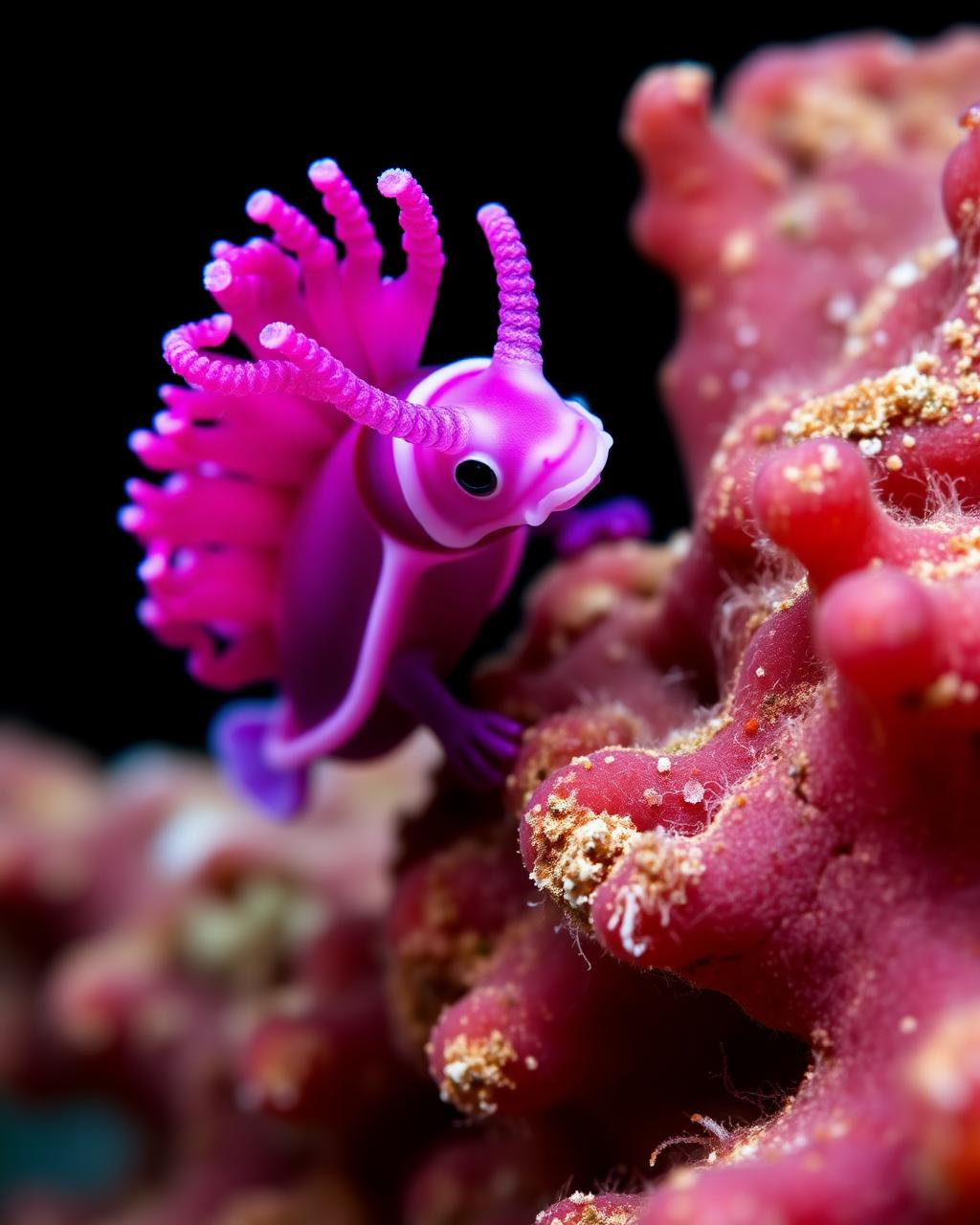
Mantas year-round at Karang Makassar (the 'Manta Highway'), grey reef sharks, white-tips, dogtooth tuna, schooling jacks, and on the calm sites — frogfish, pygmy seahorses and ornate ghost pipefish.
Ready to dive Indonesia?
Let our experts design a custom itinerary tailored to your level and bucket list.
Create my dive tripFrequently asked questions
Is Komodo safe for newer divers?+
The northern sites can be done from Advanced Open Water with a careful guide. The high-current pinnacles require 50+ logged dives.
Best season?+
April to October for the north, October to December for southern manta action.