Diving Bali: From the USS Liberty Wreck to the Mola Mola of Nusa Penida
Beyond the rice paddies and beach clubs lies one of Indonesia's most varied dive scenes — a wartime wreck, black-sand muck and the world's largest bony fish.
Bali offers a rare combination: world-class diving accessible from a comfortable shore base, all year round. Three corners of the island deliver three completely different experiences.
Tulamben — the USS Liberty wreck
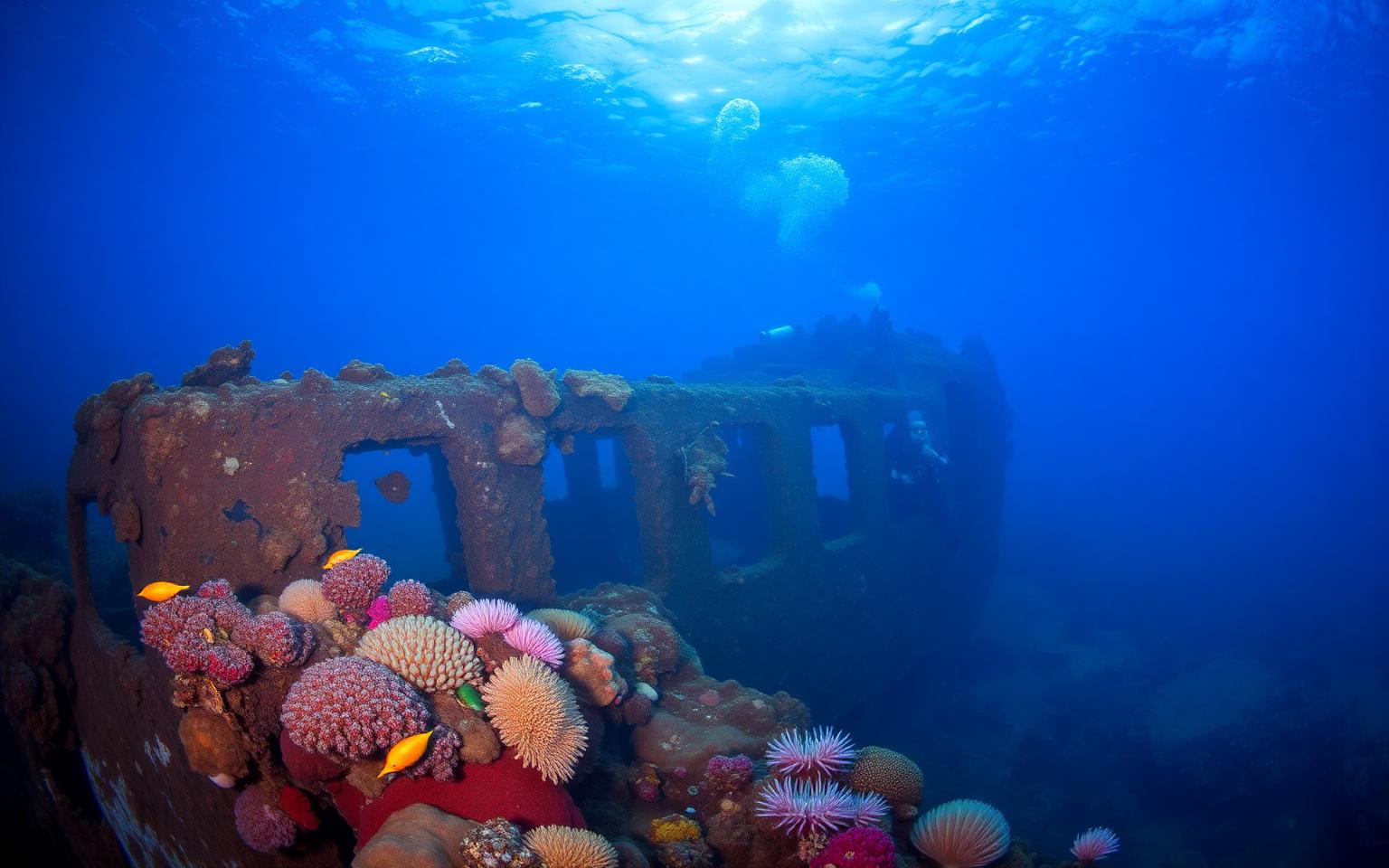
A US Army cargo ship torpedoed in 1942 and pushed back into the sea by a 1963 volcanic eruption — now lying parallel to the beach in 5–30 m. Walk in from the black-sand shore, kick 30 m and you are on it. Encrusted, swarmed by trevally and schools of bumphead parrotfish at dawn.
Amed and Menjangan
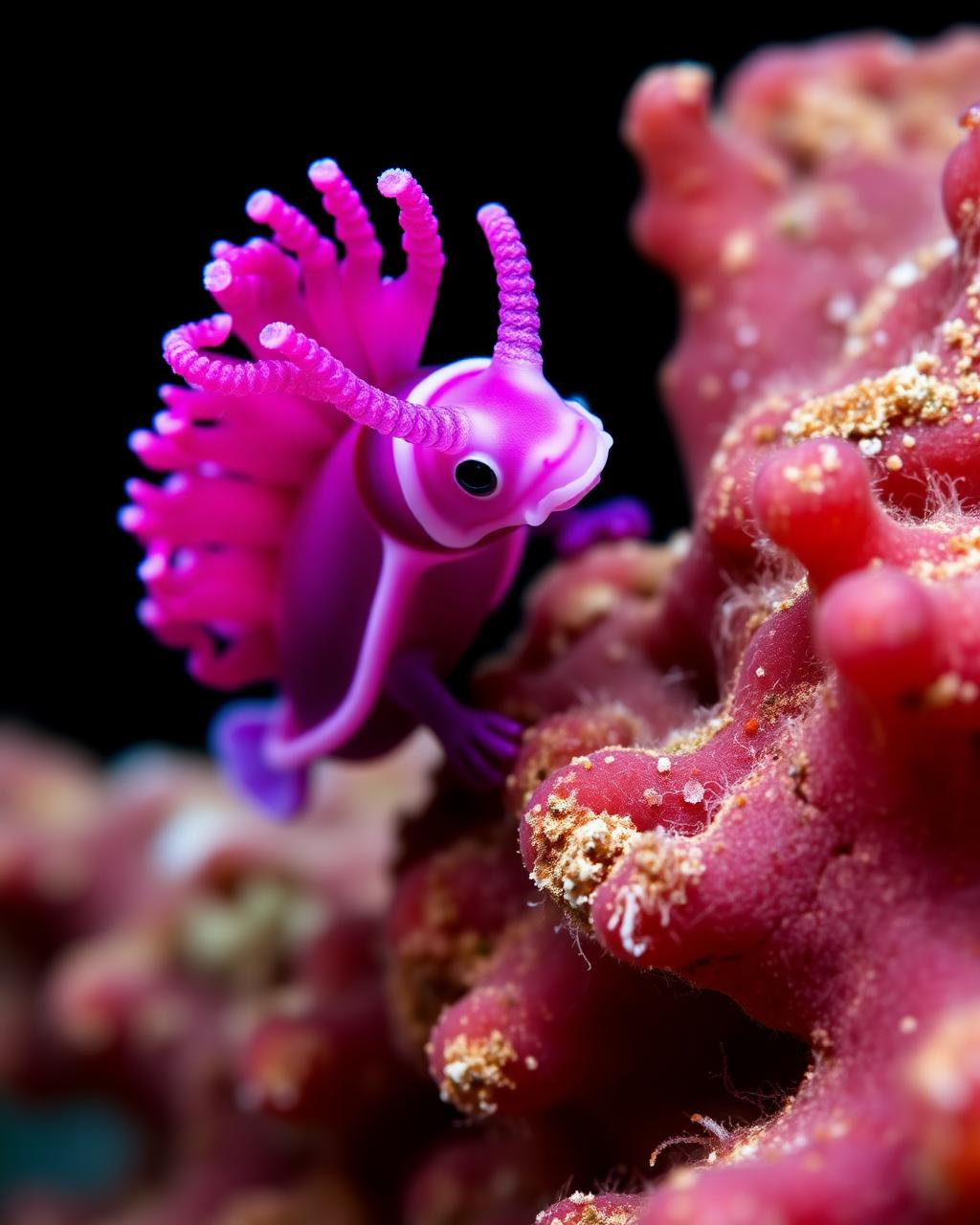
Amed delivers gentle wall and muck diving with macro treasures (frogfish, mimic octopus, harlequin shrimp). Menjangan, in the northwest, has the most pristine hard coral on the island — easy, drift-free and ideal for relaxed diving.
Nusa Penida — mantas and Mola Mola
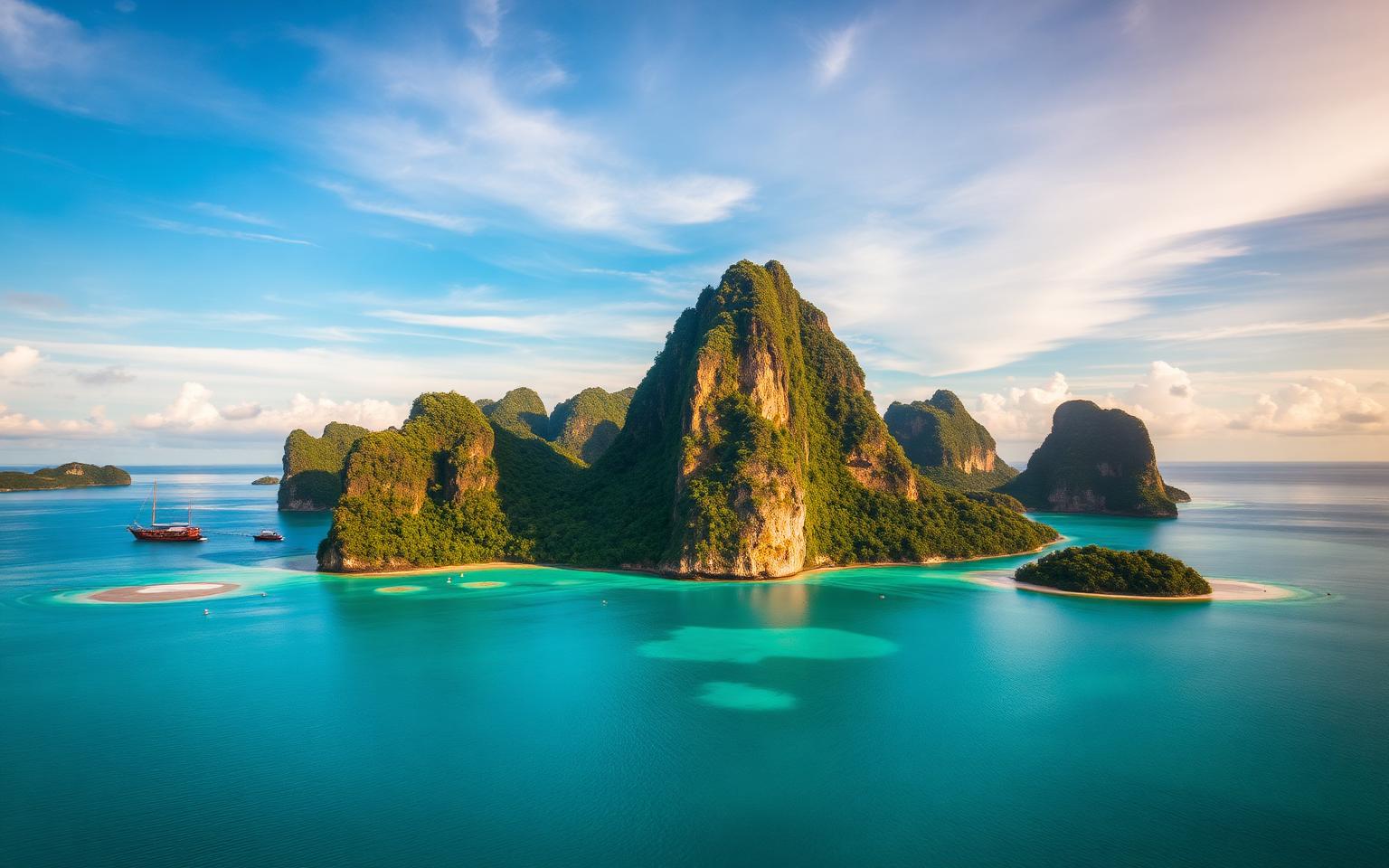
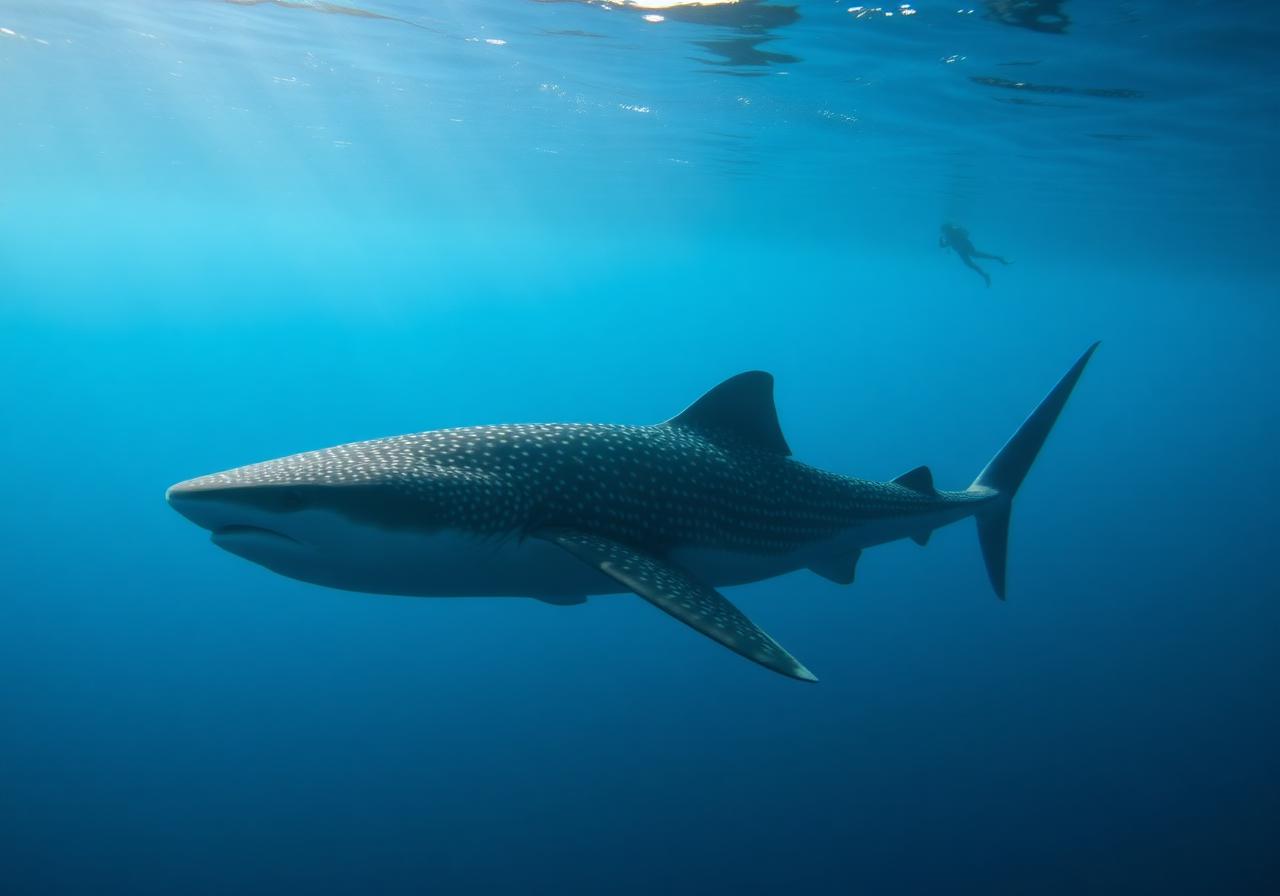
Off Bali's southeast tip, Nusa Penida and Nusa Lembongan offer reliable manta encounters at Manta Point year-round. From July to October, cold upwellings bring the oceanic sunfish (Mola mola) up to 20 m — one of diving's most surreal encounters.
Ready to dive Indonesia?
Let our experts design a custom itinerary tailored to your level and bucket list.
Create my dive tripFrequently asked questions
When can I see Mola mola?+
Late July through early October is peak. Encounters are weather and current dependent.
Is Bali good for beginners?+
Yes — Tulamben and Menjangan are excellent for new divers. Nusa Penida requires more experience.