Buoyancy: The One Skill That Changes Every Dive You Will Ever Do
Why buoyancy is the single most important skill in scuba — and a practical, drill-by-drill guide to mastering it.
Air consumption, photography quality, marine-life encounters, reef safety — every single one improves the moment your buoyancy does. If you only invest in one diving skill this year, make it this one.
Why buoyancy is everything
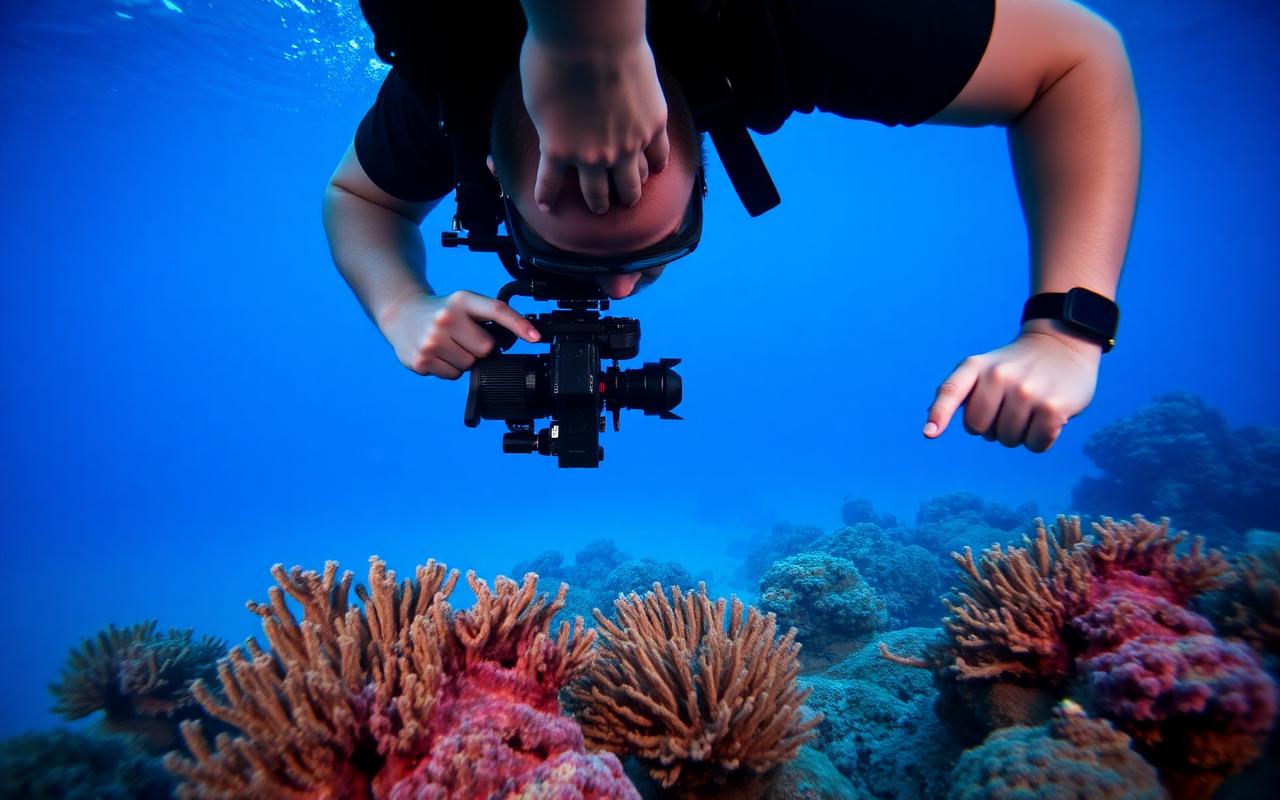
A diver in perfect neutral buoyancy uses 30–40% less air, holds horizontal trim effortlessly, never touches the reef, and is invisible enough to fish that they keep behaving naturally. A diver who is over-weighted and constantly inflating fights the dive — and the reef pays for it.
Step 1: Get your weighting right
Most divers carry too much lead. Do a proper weight check at the start of every trip: at the surface, holding a normal breath with an empty BCD, you should float at eye level. Exhale and you should sink slowly. Adjust 0.5 kg at a time.
- Saltwater: roughly 5–7% of body weight in a 3 mm suit
- Freshwater: 2 kg less than saltwater
- Aluminium tanks become positive when empty — add 1–1.5 kg vs steel
Step 2: Breathe to control depth
Once weighted correctly, breathing — not the BCD — is your fine adjustment. A long, slow inhale lifts you 30–40 cm. A long, slow exhale drops you back. The BCD is only used for the larger compensation as depth (and suit compression) changes.
Step 3: Trim — flat, calm, balanced
Horizontal trim is achieved by moving weight upward (trim pockets on the BCD's upper straps) and tank position. Knees bent, fins up, head looking forward. A diver in good trim glides with almost no fin movement.
Step 4: Drills you can do every dive
Practice does not stop after the Peak Performance Buoyancy course. Use every dive's safety stop to run two drills.
- Hover motionless for 3 minutes at 5 m — no kicking, no hand sculling.
- Fin-pivot from horizontal trim (not from the knees).
- Slow, controlled ascents at 9 m/min using only breath control.
- Underwater navigation in trim — no swimming with hands.
Ready to dive Marine Life?
Let our experts design a custom itinerary tailored to your level and bucket list.
Create my dive tripFrequently asked questions
What course should I take?+
PADI Peak Performance Buoyancy or SSI Perfect Buoyancy. Both are short, affordable and make a measurable difference.
How long does it take to master buoyancy?+
Real mastery comes around dive 100. The first major leap happens around dive 30 if you actively practice.
Does buoyancy really save air?+
Yes — 20 to 40% improvement is normal between an over-weighted novice and a balanced, trimmed diver.